f

10 Best Places to Visit in India in November 2026

November is India’s sweet spot. The monsoon has eased in many regions, the weather becomes more comfortable for sightseeing, and the lingering festive glow brings cities, towns and beautiful landscapes to life. Whether you love temples, deserts, hills or beaches, India has something for every traveller.

But why stick to the usual sights when every destination has something different to offer? If you are planning a holiday, here are 10 popular Indian destinations that offer a mix of familiar favourites and unexpected highlights worth adding to your November itinerary.

1. Shillong, Meghalaya

Crisp air, pine-covered hills and cosy cafés – Shillong truly is a charmer. Stop by Elephant Falls, the Don Bosco Museum and experience the Cherry Blossom Festival scheduled at the end of November. If you’d like to see more of the North-east, a 4 sisters tour package would be ideal.
Worth exploring: Walk through the protected Mawphlang Sacred Grove and learn about the Khasi traditions associated with it.

2. Jaipur, Rajasthan

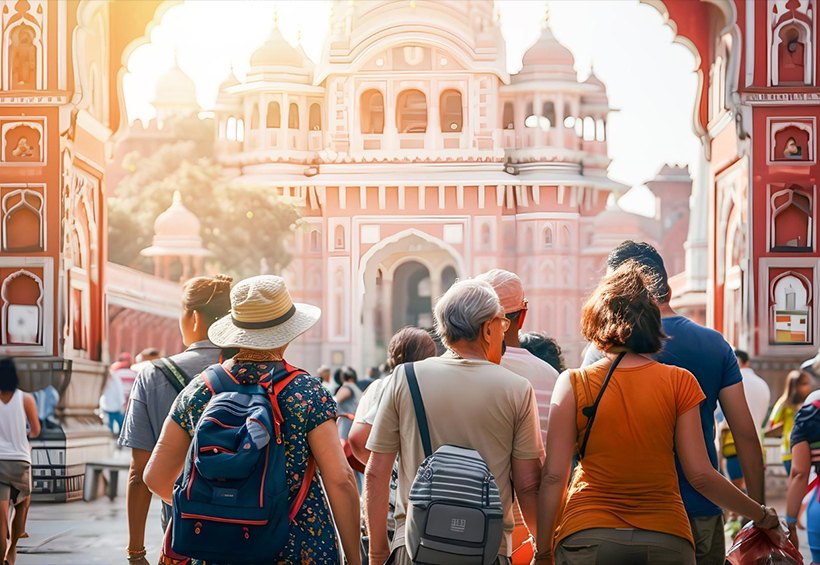
The Pink City is pleasantly warm in November, making it perfect for forts and bazaars. Visit the Amber Fort, admire the iconic Hawa Mahal, shop for block prints and end the day over a rooftop sunset.
Worth exploring: Panna Meena ka Kund, a photogenic 16th-century stepwell that most visitors skip.

3. Rann of Kutch, Gujarat

Imagine standing on an endless white landscape as the sun sets and the desert sky changes colour. The Great Rann of Kutch offers a striking experience, particularly during the cooler months, especially on a full-moon night. November also marks the beginning of the Rann Utsav season, with the tent city offering folk music, crafts and camel rides.

Worth exploring: Dholavira, where travellers explore remains of an ancient Harappan settlement and a fascinating chapter of India’s early urban history.

4. Varanasi, Uttar Pradesh

Few places capture India’s spiritual side quite like Varanasi. Take a boat ride on the Ganges at sunrise, explore the narrow lanes of the old city and witness the serene evening Ganga Aarti. November is particularly special because Dev Deepawali falls on 24 November 2026, when the ghats glow with thousands of oil lamps.

Worth exploring: Ramnagar Fort, located across the river, for quiet courtyards and a peek at royal history.

5. Hampi, Karnataka

Hampi, as many travellers describe, is an open-air history book with ancient temples, stone monuments and enormous boulders spread across a striking landscape. Cycle past the Virupaksha Temple, enjoy views of the Tungabhadra River, and climb Matanga Hill for sunrise and Hemakuta Hill for sunset.
Worth exploring: Sanapur Lake, where you can ride a coracle in the calm.

6. Kashmir

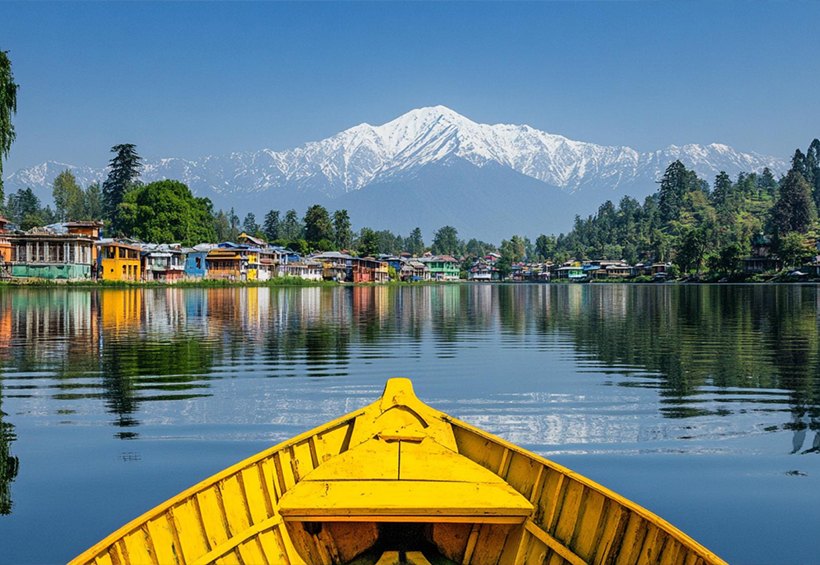
Kashmir in November has a quieter, late-autumn charm. Chinar leaves paint the valley in gold and rust, the air turns crisp, and destinations such as Srinagar and Pahalgam offer beautiful mountain views. Simply take a shikara ride on Dal Lake, stroll the Mughal gardens and sip hot kahwa by the water. Other than the scenic beauty, many travellers visit Kashmir for spiritual purposes. If you are one of them, look for a Vaishno Devi Kashmir tour package that lets you combine a pilgrimage with the valley’s beauty.

Worth exploring: Doodhpathri, a breathtaking meadow of pine and streams, away from some of Kashmir’s busier tourist spots.

7. Andaman and Nicobar Islands

For a tropical escape, the Andaman Islands offer turquoise waters, coral reefs, and beaches framed by green forests. November is generally the start of a more favourable period for water-based activities, although sea conditions can still affect excursions. A seaside dinner near Radhanagar Beach on Swaraj Dweep (Havelock Island) can be a memorable experience.

Worth exploring: Explore the gorgeous limestone caves and mangrove-lined waterways of Baratang Island. Although boat trips and cave visits depend on local conditions and access arrangements, this island will not disappoint you.

8. Khajuraho, Madhya Pradesh

Khajuraho is known for its intricately carved temples, which showcase remarkable craftsmanship and stories from different aspects of life. Take time to appreciate the architecture rather than rushing between monuments, and if you are lucky, you can witness the light and sound show too.

Worth exploring: Raneh Falls, located near Khajuraho, this natural attraction features striking rock formations and a canyon carved by the Ken River.

9. Mussoorie and Landour, Uttarakhand

Mussoorie’s mountain views and winding roads make it a popular hill retreat. In November, days are cooler and evenings can be chilly. Spend time browsing local shops, walking along scenic viewpoints and enjoying the surrounding Himalayan landscape.

Worth exploring: Just beyond Mussoorie’s busier centre is its quieter sibling, Landour. Landour has peaceful lanes, colonial-era buildings, bookshops, and cosy cafés. Take a leisurely walk through the cantonment area and enjoy the slower pace before returning to town.

10. Assam

Last but not least, we have Assam. Explore its cultural heritage, river landscapes and wildlife destinations, including Kaziranga National Park, where the seasonal wildlife tourism period begins around this time.

Worth exploring: Majuli, one of the world’s largest river islands, known for its culture, traditional arts and calm. For travellers planning a 4 sisters tour package, Assam can complement a Shillong itinerary with a different mix of culture and landscapes.

Where Will November Take You?

From spiritual experiences in Varanasi to the peaceful landscapes of Kashmir and the cultural richness of North-east India, November offers plenty of ways to discover the country’s many sides. The best part is that you can pair well-known attractions with lesser-explored places that make your journey feel more personal. So which Indian destination will you escape to this November?
Jain-Friendly Travel in India: Best Destinations for Pure Veg and Jain Food

Travelling is a wonderful way to discover new places, experience different cultures, and take a break from everyday routines. But if you follow a Jain diet, finding suitable meals and planning visits around your preferences can take a little extra preparation.

The good news is that India has many destinations where vegetarian food, Jain temples and cultural experiences can come together in one trip. From the heritage cities of Rajasthan to the pilgrimage sites of Gujarat, here are some destinations to consider when planning a Jain-friendly holiday.

1. Ahmedabad, Gujarat

Ahmedabad is a great starting point for travellers interested in vegetarian food and Jain heritage. The city has a strong vegetarian dining culture, with restaurants serving Gujarati thalis, snacks and traditional sweets.

You can explore the historic old city, visit temples, and discover local architecture without rushing between attractions. If food is a priority, confirm whether restaurants can prepare meals according to your specific Jain requirements, particularly if you avoid root vegetables or certain ingredients.

Worth exploring: The Hutheesing Jain Temple is known for its detailed marble carvings and peaceful atmosphere. Check visiting hours and any photography restrictions before your visit.

2. Palitana, Gujarat

Palitana is one of India’s most important Jain pilgrimage destinations. Located in Gujarat, Shatrunjaya Hill is home to a large complex of Jain temples, making it a meaningful stop for travellers interested in religious heritage.

The climb involves many steps, so plan according to your fitness level and allow enough time for the visit. Weather conditions and temple access rules can affect the experience, especially during busy pilgrimage periods.

Worth exploring: Take time to appreciate the temple architecture and views across the surrounding landscape. Check local pilgrimage guidelines in advance and carry only what is permitted.

3. Jaipur, Rajasthan

Jaipur offers a mix of royal architecture, colourful markets and cultural attractions. It can also be a practical option for vegetarian travellers, with restaurants serving traditional Rajasthani and North Indian dishes.

Spend your day exploring Amber Fort, City Palace and the old city’s markets. If you follow a strict Jain diet, speak with restaurants before ordering rather than assuming that every vegetarian dish meets your requirements.

Worth exploring: Visit the local markets for textiles, handicrafts and traditional jewellery. Shopping is best enjoyed at a relaxed pace, with time to stop for meals and refreshments.

4. Udaipur, Rajasthan

With its lakeside views, historic palaces and relaxed atmosphere, Udaipur is ideal for travellers who prefer a slower itinerary. The city has a range of vegetarian dining options, although Jain meal availability should be confirmed in advance.

Explore City Palace, take a boat ride on Lake Pichola and spend an evening walking through the old city’s streets. You can also look for local cultural performances and traditional craft shops.

Worth exploring: Jagdish Temple is an important landmark near the City Palace area. Check the dress code and visitor guidelines before entering religious sites.

5. Ranakpur, Rajasthan

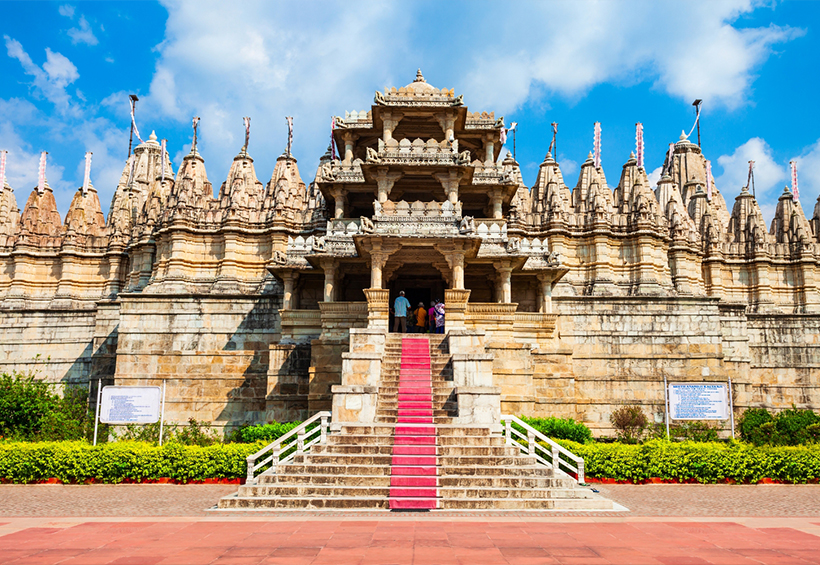
Ranakpur is known for its remarkable Jain temple architecture and peaceful surroundings. The Chaumukha Temple, dedicated to Adinath, is particularly notable for its intricate marble pillars and detailed carvings.

The destination works well as a stop on a wider Rajasthan itinerary, especially if you want to balance city sightseeing with religious and architectural experiences. As dining options may be more limited than in larger cities, arrange suitable meals before travelling.

Worth exploring: Allow enough time to appreciate the temple’s craftsmanship rather than treating it as a quick stop between destinations.

6. Mumbai, Maharashtra

Mumbai combines major attractions, shopping areas and a wide range of vegetarian restaurants. It can be a convenient starting point for travellers arriving from different parts of India, particularly those planning a customised religious or cultural itinerary.

Explore the Gateway of India, take a walk along Marine Drive and visit local markets. Restaurant menus vary, so explain your dietary requirements clearly when arranging meals.

Worth exploring: The Jain temples and religious sites around Mumbai can be included in an itinerary after checking their locations, opening hours and visitor rules.

For help planning a suitable route, travellers can explore Jain tours and travels in Mumbai and compare operators based on their experience with Jain-friendly meals, accommodation and pilgrimage arrangements.

7. Delhi

Delhi offers a mix of historic monuments, religious sites and food experiences. Vegetarian restaurants are widely available in many parts of the city, but travellers following Jain dietary practices should still confirm ingredients and preparation methods.

Visit Humayun’s Tomb, explore the city’s historic neighbourhoods and set aside time for shopping. If you plan to visit temples, check opening times and any restrictions before setting out.

Worth exploring: The Digambar Jain Lal Mandir near the Red Fort is a well-known Jain temple. Follow the site’s visitor guidelines and dress respectfully.

8. Shravanabelagola, Karnataka

Shravanabelagola is an important Jain pilgrimage destination known for the monumental statue of Bahubali, also called Gomateshwara. Set among rocky hills, the site offers a combination of spiritual significance, history and striking views.

The climb involves steps, so consider the weather, your fitness level and the time needed for the visit. Food choices nearby may be more limited than in major cities, making advance planning useful. 

Worth exploring: Visit the surrounding temple complex and learn about the site’s place in Jain history. Check local arrangements before travelling during major religious gatherings.

Making Your Jain-Friendly Holiday Easier

A well-planned trip can make it easier to enjoy India’s cultural and religious destinations without compromising your dietary preferences. Before booking, confirm meal ingredients, food preparation practices, hotel arrangements, transport and temple timings. Vegetarian food is not automatically Jain-compliant, so explain your requirements clearly.

If you want to combine several destinations, Custom tour packages can help you plan an itinerary around your preferred temples, sightseeing stops, travel pace and meal requirements. Always confirm which services and dietary arrangements the operator can provide.

From the marble temples of Palitana to the lakes of Udaipur, India offers plenty to explore. With a little preparation, you can enjoy a holiday that balances meaningful experiences, local culture and food suited to your needs. Which destination would you like to discover first?

Kerala in Diwali 2026: Weather, Places to Visit and Travel Tips

What if Diwali this year felt quieter and a little more peaceful? Imagine oil diyas glowing at dusk, a houseboat drifting past green paddy fields and the refreshing scent of coconut in the air. That’s Diwali in Kerala. It’s gentler than the big northern celebrations, and honestly, that’s the charm. If you’re looking to step away from the usual holiday chaos and enjoy something more relaxed and cultural, Kerala offers the perfect escape. If you’ve already been eyeing Kerala tours from India this Diwali, here’s everything you need to know.

Diwali Shines Everywhere

Diwali celebrates light over darkness and good over evil. While many mark it as Lord Rama’s return to Ayodhya, others honour Goddess Lakshmi, the giver of prosperity. People who celebrate like to clean their homes, light oil lamps and share sweets to relish the festival. In Kerala, communities with roots elsewhere in India observe the festival. The mood is warm, personal, and relaxed, which suits travellers who like their festivals with some breathing room.

Diwali is about fresh beginnings, meaningful moments, and spending time with the people who matter. Kerala brings a refreshing setting to these celebrations with its tranquil backwaters, green landscapes, rich cultural heritage, and relaxing wellness experiences.

10 Reasons to Celebrate Diwali 2026 in God’s Own Country

Diwali season means fewer crowds at popular tourist spots, which means you can enjoy Kerala at an easier pace. But that’s just the start; here are 10 reasons that make Kerala a perfect getaway for Diwali.

  1. Escape into the Hills: Trek through the misty tea gardens of Munnar or the forests of Wayanad. The air is cool, the panoramic views are breathtaking, and your phone will thank you for the break.
  2. Discover boat-racing culture: Kerala’s snake boat races give a glimpse into the state’s vibrant community spirit. Rowers pull in perfect rhythm as the crowds roar. Race schedules are seasonal, so make sure you check local event calendars before planning your trip around a competition.
  3. Watch a traditional Kathakali performance: Towering headdresses, painted faces and expressive eyes tell epic tales without a spoken word. A live Kathakali performance in Kochi is a feast for the senses and just the perfect way to celebrate Diwali.
  4. Unwind with Ayurveda: Kerala is the home of Ayurveda. Book a herbal massage or a rejuvenation therapy at a trustworthy, reputable centre and let the festive chaos melt away. Kerala offers plenty of ways to slow down and recharge during the festive season, and an Ayurvedic massage is the best one.
  5. Watch fireworks over the water: Spend a quiet evening near Kerala’s rivers, enjoying the cool breeze and scenic surroundings. Fireworks are not a common feature of Diwali celebrations in Kerala. Therefore, check event information instead of expecting organised displays everywhere.
  6. Indulge in local culinary delights: Think appam with decadent hot stew, crisp fresh banana chips and creamy payasam. A banana-leaf sadya in Kerala is a feast you’ll remember long after the trip. Travellers seeking vegetarian food or Jain meal arrangements can check suitable options with their tour managers before booking.
  7. Stay in a traditional homestay: Stay in a heritage home surrounded by greenery, where traditional architecture and warm hospitality offer a closer look at local life. Many Kerala tour packages offer homestays with regional meals included.
  8. Visit sacred temples: Lamps glow brighter during Diwali, and shrines such as Padmanabhaswamy in Thiruvananthapuram feel even more special. Check dress codes, visitor timings and access rules before visiting, as these vary between temples.
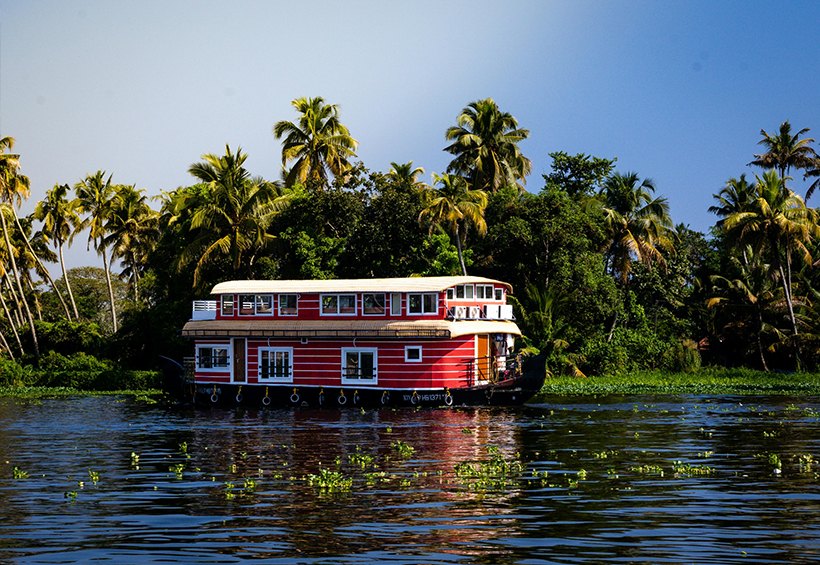
  9. Drift through the backwaters: A houseboat journey through Alleppey or Kumarakom is one of Kerala’s signature experiences. Glide past coconut palms, enjoy a fresh meal onboard and watch the sunset paint the water gold.
  10. Light up a beach evening: Head to Varkala or Kovalam for golden sand and sea breeze. Some beachside stays also host bonfire nights, where available, as local rules and beach conditions may restrict fires.

Mark Your Calendar

Diwali 2026 falls in November, making it a wonderful occasion to plan a festive getaway. Here are the key dates of the festive season you should know before planning a Kerala tour from India:

Day 1: Friday, 6 November, Dhanteras

Day 2: Saturday, 7 November, Naraka Chaturdashi

Day 3: Sunday, 8 November, Diwali (Lakshmi Puja)

Day 4: Monday, 9 November, Govardhan Puja

Day 5: Tuesday, 10 November, Bhai Dooj

Festival dates and rituals can vary by region and lunar-calendar calculations. Check local observances when planning temple visits or festive activities. As far as the weather is concerned, early November follows the monsoon, so expect warm days, cooler evenings and an odd shower. Light cottons and a compact umbrella will do the job.

Your Diwali, Kerala Style

Kerala doesn’t shout Diwali; it simply glows. Between the backwaters, the hills and the temples, you get a festival that feels both sacred and fun. NFTT World’s Kerala tour packages can be customised around your dates, with comfortable stays, guided sightseeing and pure veg or Jain meals where available.

This Diwali, celebrate a little differently and discover the many experiences waiting for you in God’s Own Country.

Diwali 2026 Travel: Best Places to Visit in India During Diwali

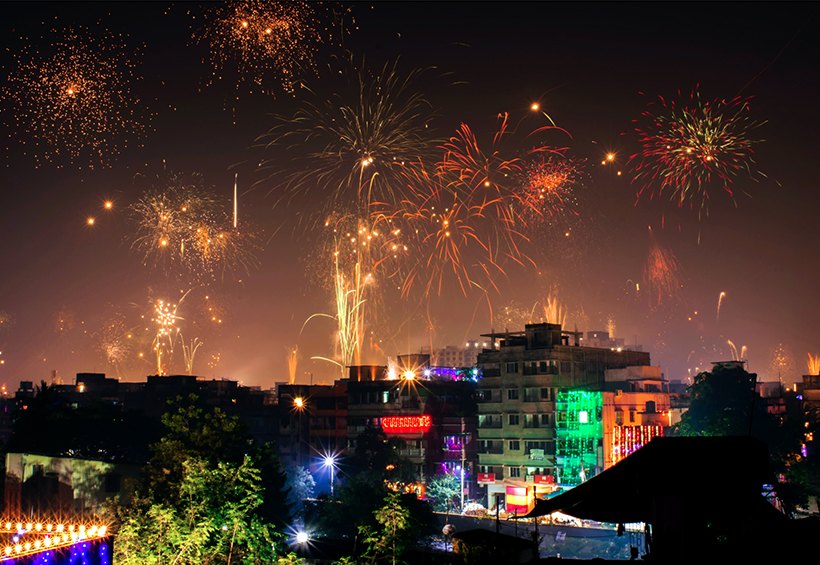
Diwali is one of those times when India feels a little more magical. Streets glow with lights, homes welcome guests, markets fill with festive decorations, and the air carries the familiar excitement of the season. But where should you travel if you want to experience Diwali beyond your own city?

From grand celebrations and illuminated ghats to royal palaces and peaceful spiritual retreats, India has plenty to offer. If you are planning a festive getaway in 2026, here are some destinations worth adding to your Diwali travel list.

1. Jaipur, Rajasthan

Jaipur knows how to celebrate Diwali. The Pink City takes on a festive glow as markets, shops and buildings are decorated with colourful lights. Areas around Johari Bazaar and Bapu Bazaar are worth exploring for traditional jewellery, textiles, handicrafts and festive shopping.

Spend your mornings exploring Amber Fort and City Palace before heading out to see the illuminated streets in the evening. The city’s royal architecture adds a special charm to the festive atmosphere.

Worth exploring: Hawa Mahal looks particularly striking against the evening sky. Visit around sunset for photographs before exploring the nearby markets.

2. Varanasi, Uttar Pradesh

Varanasi offers a different kind of festive experience, where spirituality and tradition take centre stage. The city’s ghats, temples and narrow lanes create a memorable setting for visitors looking to experience India’s cultural side.

Diwali is celebrated with lamps, prayers and gatherings, while Dev Deepawali, observed on Kartik Purnima, brings another spectacular celebration to the ghats later in the month. If you are planning to attend either festival, check the dates and local arrangements before booking.

Worth exploring: Take a sunrise boat ride on the Ganges and explore the old city’s lanes. The evening Ganga Aarti is another experience worth including in your itinerary.

3. Ayodhya, Uttar Pradesh

Ayodhya holds a special place in Diwali celebrations because of its association with Lord Rama. The city attracts pilgrims and visitors who come to explore its temples, attend religious ceremonies and experience the festive atmosphere.

During Diwali, the city may host large-scale lighting displays and organised celebrations, depending on the year’s programme. Plan ahead if you want to visit during the busiest days, as accommodation and transport can be in high demand.

Worth exploring: Visit Ram Mandir and explore the ghats along the Saryu River. Allow time for security checks and local traffic restrictions during major celebrations.

4. Amritsar, Punjab

Amritsar offers a beautiful mix of spirituality, history and festive lights. The Golden Temple is a major attraction throughout the year, and its illuminated surroundings create a memorable sight during festive occasions.

Spend time exploring the temple complex, tasting local Punjabi food and visiting the historic streets around the old city. The atmosphere is especially meaningful for travellers interested in Sikh heritage and traditions.

Worth exploring: Visit Jallianwala Bagh to learn about an important chapter in India’s history. Dress respectfully when visiting religious sites and follow the local guidelines.

5. Udaipur, Rajasthan

If your idea of a festive break includes lakes, palaces and relaxed evenings, Udaipur is worth considering. Its historic architecture, lakeside cafés and narrow streets offer a different pace from India’s busiest festival cities.

Explore the City Palace, take a boat ride on Lake Pichola and browse local shops for miniature paintings and handicrafts. Festive decorations and events can vary from one area to another, so check local listings closer to your travel dates.

Worth exploring: Visit Bagore Ki Haveli for a glimpse of traditional Rajasthani culture and performances, subject to the schedule.

6. Mumbai, Maharashtra

Mumbai celebrates Diwali with decorated homes, illuminated buildings, festive markets and plenty of shopping opportunities. From traditional sweets to modern festive displays, the city offers a lively experience for visitors who enjoy an energetic atmosphere.

Explore local markets, enjoy the city’s varied food scene and make time for its waterfront views. Since celebrations differ across neighbourhoods, check local event listings rather than relying on a single itinerary.

Worth exploring: Marine Drive is a lovely place for an evening walk. For shopping, explore established markets and allow extra travel time during the festive rush.

7. Delhi

Delhi is a good choice if you want to combine sightseeing with festive shopping. Markets across the city stock decorations, sweets, clothing and gifts in the weeks leading up to Diwali.

Spend the day exploring Humayun’s Tomb, Qutub Minar or the Red Fort before visiting a market in the evening. Keep in mind that crowds, traffic and local restrictions may affect plans around Diwali.

Worth exploring: Dilli Haat offers handicrafts and regional food from different parts of India, although stalls and offerings can vary.

8. Kolkata, West Bengal

Kolkata offers a distinctive festive atmosphere around Diwali, which coincides with Kali Puja in the Bengali calendar. The city comes alive with decorated pandals, illuminated streets, and worship dedicated to Goddess Kali.

Explore the city’s colonial-era architecture, riverside areas, and neighbourhood markets. If you are interested in festival celebrations, check local schedules to find out where public events are taking place.

Worth exploring: Kumartuli is known for its traditional idol-making community. A visit offers insight into the craftsmanship behind many of the city’s religious celebrations.

Planning Your Diwali Getaway

From the spiritual atmosphere of Varanasi to the royal streets of Jaipur, the best destination depends on how you want to spend the festival. Book accommodation early, check transport availability and confirm event dates before finalising your itinerary.

Prefer mountains and scenic landscapes over busy festive cities? A Kashmir group tour could be an alternative for travellers looking to extend their holiday with lakes, gardens and mountain views, although Kashmir has a different festive atmosphere from India’s major Diwali destinations.

Whether you’re planning a pilgrimage or a sightseeing holiday, searching for Jain tours and travels from Mumbai can help you explore travel options from the city.

So, where will you celebrate Diwali in 2026? Whether you prefer glowing ghats, lively markets or a quieter escape, India offers plenty of ways to make the festive season memorable.

Top 15 Places to Visit in Himachal Pradesh in Every Season

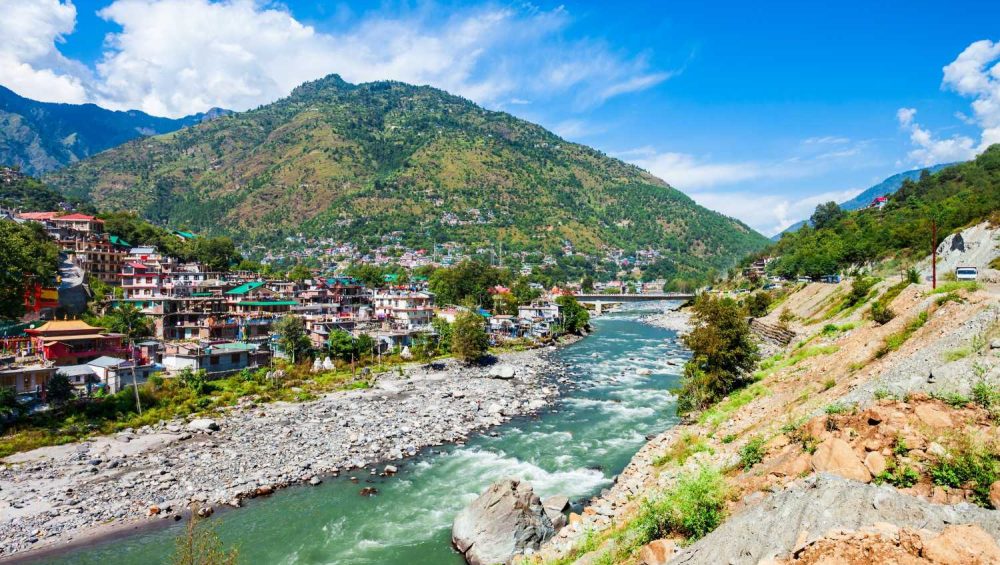
Himachal Pradesh has a way of fitting different kinds of holidays into one state. There are colonial hill stations, quiet valleys, temples, forests, adventure destinations, and mountain towns where the scenery changes completely with the seasons.

That variety is also why planning a Himachal holiday can be slightly overwhelming. Should you choose Shimla or Manali? Is Dalhousie better in winter? When is the right time for Dharamshala? And which places are comfortable for families and senior travellers?

The answer depends on the season and the kind of experience you want. Here are 15 destinations worth considering.

1. Shimla

Shimla is one of Himachal’s most familiar destinations and a practical starting point for a first Himalayan holiday. The Mall Road, historic buildings, viewpoints and nearby Kufri make it suitable for a range of travellers.

2. Manali

Manali brings together mountain scenery, temples, markets, and opportunities for outdoor activities. It works well for families, couples, and groups looking for a combination of sightseeing and leisure.

3. Dharamshala

Dharamshala offers a different atmosphere, with mountain views, Tibetan cultural influences and access to the quieter surroundings of McLeod Ganj.

4. Dalhousie

Dalhousie is known for its colonial character, pine-covered landscapes and relaxed hill-station atmosphere. It can be particularly pleasant for travellers who prefer slower sightseeing.

5. Khajjiar

Often associated with its vast green meadow surrounded by forests, Khajjiar is an easy addition to a Dalhousie itinerary.

6. Kufri

Close to Shimla, Kufri is popular for mountain views and seasonal activities. It is particularly lively during the colder months.

7. Kasauli

Kasauli is a quieter hill destination that can suit travellers looking for a short break rather than a packed multi-city holiday.

8. Chamba

Chamba offers a more culturally focused experience, with historic temples and traditional Himalayan surroundings.

9. Sangla

Sangla is a good choice for travellers who want to move beyond the better-known hill stations and experience the landscapes of Kinnaur.

10. Nako

Located along the route towards Spiti, Nako introduces travellers to a higher-altitude Himalayan environment and a very different landscape from Shimla or Manali.

11. Kaza

Kaza is the central town of Spiti Valley and an important base for exploring surrounding villages and monasteries.

12. Tabo

Tabo is known for its monastery and its distinctive high-altitude surroundings. It is an interesting stop for travellers combining Himachal sightseeing with a Spiti itinerary.

13. Kasol

Kasol, situated in the Parvati Valley, attracts travellers interested in mountain scenery, relaxed cafés, and nearby walks.

14. Solang Valley

Near Manali, Solang Valley is associated with mountain views and seasonal adventure activities. The exact activities available can depend on weather and local operating conditions.

15. Kalpa

Kalpa offers spectacular mountain scenery and a quieter pace, making it an appealing option for travellers who want to explore Kinnaur beyond the more commonly visited towns.

Choosing Himachal by Season

The best time to visit can vary depending on which part of Himachal you want to explore. Some destinations are particularly popular in winter, while others are more accessible during the warmer months.

Winter

Shimla, Kufri, Manali, and Dalhousie can offer a classic winter mountain experience, although snowfall and road conditions can affect travel.

Spring

Spring can be a pleasant time for exploring hill stations and valleys as temperatures gradually become more comfortable.

Summer

Summer is a popular period for Himalayan travel, particularly for families looking to escape warmer conditions in the cities. Longer sightseeing routes can be planned, although mountain weather can still change quickly.

Monsoon

Monsoon travel requires greater flexibility. Rain can affect roads and sightseeing plans, so checking current conditions before travelling is important.

Autumn

Clearer mountain views and cooler temperatures can make autumn an appealing period for exploring Himachal.

Travelling as a Vegetarian Family

Food can be an important part of holiday planning for Indian families, particularly when travelling with children, senior citizens or members of a Jain or vegetarian household.

NFTT World focuses on pure vegetarian and Jain group travel and currently offers Himachal itineraries that include accommodation, transfers, sightseeing and vegetarian/Jain meal arrangements. Its Himachal-Chandigarh itinerary, for example, covers destinations including Shimla, Manali, Dharamshala, Dalhousie, and Amritsar.

For travellers considering Himachal Pradesh veg tour packages, checking exactly what meals, transfers and sightseeing are included is useful before choosing an itinerary.

Planning a Himachal Trip from Mumbai

Travellers looking at a Himachal Pradesh tour from Mumbai should also consider the starting point of the selected package. Depending on the package, Himalayan group tours may begin from northern Indian cities such as Chandigarh or Amritsar rather than Mumbai.

NFTT World’s current Himachal itineraries include pickup and drop arrangements linked to the specific tour route, so travellers should check the itinerary and travel connections before booking.

Ultimately, there is no single “best” Himachal destination. The right choice depends on the season, your preferred pace, the people travelling with you and how much time you have.

Whether you want a relaxed family holiday, a scenic mountain journey or a longer itinerary covering several valleys, Himachal offers plenty of ways to make the trip your own.

Family-Friendly Europe Tour Destinations for Indian Families

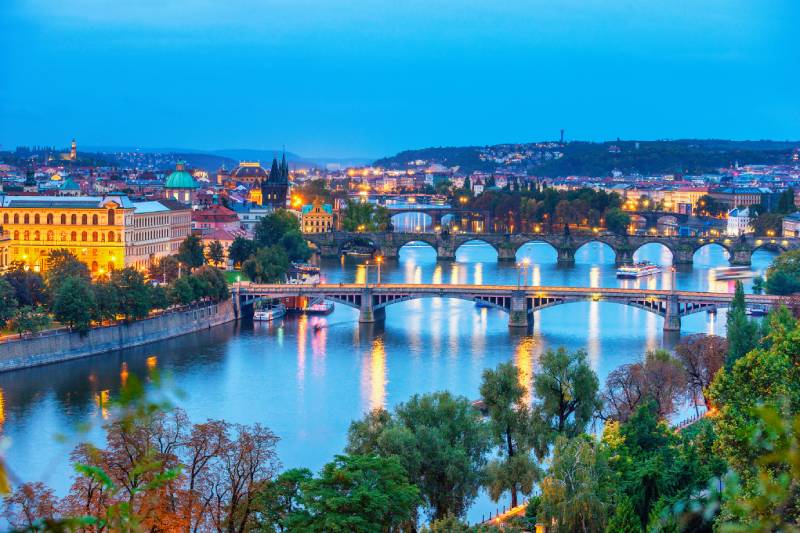
Planning a European holiday with the whole family sounds exciting until you start thinking about the practical details. Which cities should you visit? How much travelling is too much for children or senior family members? Where will everyone eat comfortably? And how do you fit famous landmarks, scenic experiences and some downtime into the same holiday?

For Indian families, these questions can make choosing the right itinerary just as important as choosing the destination itself. A well-planned Europe holiday can bring together history, architecture, nature, food and family time without making every day feel like a race against the clock.

Here are some destinations worth considering when planning a family-friendly European journey.

Paris: A Classic Starting Point

Paris is an easy favourite for first-time European travellers. Children may recognise the Eiffel Tower from books and films, while adults can enjoy the city’s architecture, museums and neighbourhoods.

Families can keep the itinerary balanced with a combination of sightseeing and relaxed walks. Instead of trying to cover every attraction in one day, leave some room for simply enjoying the city’s atmosphere.

Paris also works well as an opening destination because it introduces families to European travel before they move towards the mountains and cities of Central Europe.

Switzerland: Scenic Days Everyone Can Enjoy

Switzerland can be a memorable part of a family European holiday. Alpine scenery, lakes, mountain viewpoints and picturesque towns create plenty of opportunities for sightseeing without requiring a packed schedule of attractions.

For families travelling together, Switzerland can offer a welcome change of pace after a busy city such as Paris. A scenic train journey, a mountain excursion or simply looking out across the Alps can become a highlight of the trip.

For travellers considering Europe veg tour packages, planned meal arrangements can also make longer touring days easier to manage.

Innsbruck: Mountains and European Charm

Nestled in the Austrian Alps, Innsbruck combines mountain scenery with a historic city centre. It can be particularly appealing for families who enjoy a mixture of nature and culture.

The city is compact enough to explore without feeling overwhelming, while the surrounding Alpine landscape adds another dimension to the experience.

It also provides a natural transition between Switzerland and Italy for itineraries covering several European countries.

Venice: A City That Feels Different

Venice is unlike almost anywhere else in Europe. Its canals, bridges and historic buildings make simply moving around the city part of the experience.

Families can enjoy exploring the lanes, taking in the canals and discovering small squares away from the busiest areas. Younger travellers often find the city’s water-based transport particularly memorable.

The key with Venice is to avoid overplanning. Give yourself time to wander, because some of the best moments happen between the major sightseeing stops.

Florence: For Families Curious About Art and History

Florence is a wonderful addition for families interested in European history and art. The city played a major role in the Renaissance and offers opportunities to introduce children to famous artistic and architectural traditions in a way that feels connected to the places where they originated.

A family itinerary does not need to become a museum marathon. Choose a few meaningful experiences and balance them with walks, local neighbourhoods and relaxed meals.

Rome: History Around Every Corner

Rome can make European history feel surprisingly real. Ancient ruins, historic squares, fountains and grand buildings appear throughout the city.

For families, it is worth allowing enough time to explore without rushing from one landmark to another. Children may particularly enjoy seeing places they have previously encountered in school books come to life.

Rome also adds a different cultural character to an itinerary focused on Western and Central Europe.

Naples: A Different Side of Italy

Naples brings a livelier, more local atmosphere to a European itinerary. Its location in southern Italy also makes it an interesting final stop for travellers who want to experience another side of the country.

Rather than approaching Naples only as another sightseeing destination, families can use it as an opportunity to experience Italian culture, food traditions and everyday city life.

Why Itinerary Planning Matters for Families

A family holiday is not simply about how many destinations can be added to a route. Travel time, hotel locations, meal arrangements, sightseeing schedules and rest periods all influence how comfortable the journey feels.

This is particularly relevant when travelling with grandparents or young children. A structured group tour can take some of the logistical pressure away by coordinating accommodation, transfers, sightseeing and meals.

NFTT World, for example, currently offers a 14-day Europe itinerary covering Paris, Switzerland, Innsbruck, Venice, Florence, Rome and Naples, with accommodation, transfers, sightseeing and vegetarian/Jain meal arrangements included as part of the tour.

Making Vegetarian Travel Easier

Food is an important consideration for many Indian families travelling overseas. Families following vegetarian or Jain dietary preferences may want clarity about meals before they leave India.

NFTT World’s Europe tours are built around vegetarian and Jain-friendly meal arrangements, with the published Europe itinerary including vegetarian/Jain breakfast, lunch and dinner and a dedicated kitchen arrangement for larger groups.

For families with specific dietary preferences, Europe veg tour packages can make planning easier by incorporating suitable meal arrangements into the itinerary. This is where Europe tour packages from India can be particularly useful for families who would rather spend their holiday exploring than constantly researching where their next suitable meal will come from.

Choosing the Right Europe Experience

There is no single European itinerary that works for every family. Some may prefer famous landmarks, while others may want more scenic destinations and slower days. When comparing Europe tour packages from India, families may also want to consider the itinerary pace, accommodation, inclusions, meal arrangements and the amount of free time available.

A thoughtful itinerary can turn a family holiday into more than a checklist of attractions. It gives everyone the chance to discover somewhere new, share meals, take photographs, laugh over unexpected moments, and return home with stories that belong to the whole family.

South Africa Safari Guide: Everything First-Time Travellers Should Know

A safari is one of those travel experiences that can be difficult to imagine until you are actually there. There is something very different about seeing wildlife in its natural environment rather than behind the glass of a zoo or on a television screen.

For first-time visitors, however, a South African safari also comes with questions. What should you pack? How does a game drive work? How much time should you spend on safari? And, for Indian vegetarian and Jain travellers, how easy is it to manage meals while travelling?

A little planning can make the experience much more comfortable.

Start With the Right Expectations

A safari is not a wildlife show where animals appear on demand. Game viewing depends on location, weather, season, time of day and the natural behaviour of the animals.

You may spend time driving through open landscapes before spotting anything, and then suddenly have an unforgettable encounter. That unpredictability is part of what makes safari travel special.

Patience is useful, as is keeping an open mind about the experience.

What Might You See?

South Africa is home to an impressive variety of wildlife. Depending on the region and safari area included in your itinerary, travellers may have opportunities to see elephants, lions, rhinos, leopards, buffalo, giraffes, zebras and numerous bird species.

However, sightings cannot be guaranteed. A responsible itinerary should focus on the overall wildlife experience rather than promising encounters with specific animals.

Cape Town Can Add a Completely Different Experience

A South African holiday does not have to revolve entirely around safari.

Cape Town offers a striking contrast, with coastal landscapes, mountains, city experiences and cultural attractions. A broader itinerary can therefore combine wildlife with sightseeing and time in the city.

NFTT World’s South Africa itinerary, for example, begins in Cape Town and includes experiences around the Cape Peninsula, with stops such as Hout Bay and opportunities to see Cape fur seals, subject to weather conditions.

This combination can work particularly well for first-time visitors who want to experience more than one side of the country.

What Should You Pack?

Safari packing does not need to mean bringing an entire wardrobe.

Comfortable clothing that allows easy movement is useful, along with comfortable walking shoes, sunglasses, sunscreen and a hat. A light jacket can be helpful for cooler mornings and evenings.

Binoculars can also be worthwhile if you enjoy birdwatching or want to observe wildlife from a distance.

Most importantly, pack according to your actual itinerary and season rather than assuming every day will be hot.

Think About the Pace

Safari holidays can involve early starts, road travel and time outdoors. When travelling as a family or with senior relatives, a comfortable itinerary matters.

Building in enough rest between activities can make the overall experience more enjoyable. The goal is not to see everything in one day. It is to give yourself enough time to appreciate where you are.

This is one reason organised tours can appeal to travellers who prefer having transfers, accommodation and sightseeing coordinated in advance.

Food Matters Too

For Indian vegetarian travellers, food can be an important part of holiday planning.

A South Africa veg tour can be easier to manage when meal requirements are discussed before departure rather than figured out day by day. NFTT World specifically structures its group tours around pure vegetarian and Jain meals, with breakfast, lunch, evening tea/coffee and dinner included in the published itinerary.

For travellers with specific dietary requirements, it is still sensible to communicate those requirements clearly before booking.

What Does an Organised South Africa Tour Include?

The exact inclusions depend on the itinerary, but NFTT World’s published South Africa tour includes hotel accommodation, airport transfers, sightseeing transfers, vegetarian/Jain meals, mineral water during travel and the services of a tour manager.

For travellers considering South Africa veg tour packages, having these elements coordinated can be particularly useful for first-time international travellers who do not want to arrange every transfer and meal independently.

When Is the Right Time to Go?

South Africa covers a large geographical area, so there is no single perfect travel month for the entire country.

Your preferred activities should influence your travel dates. Wildlife viewing, Cape Town sightseeing, coastal experiences and outdoor activities can have different seasonal considerations.

Before booking, look at the specific route rather than relying on a generic “best time to visit South Africa” recommendation.

A Few Things First-Time Travellers Should Remember

Keep your schedule realistic. Follow local wildlife guidelines. Listen to your guide during game drives. Avoid feeding or approaching animals. Keep important documents secure and check visa and travel requirements before departure.

Most importantly, allow yourself to experience the country at its own pace.

South Africa veg tour packages can take care of much of the practical side of the journey while leaving you free to concentrate on the landscapes, wildlife and experiences that brought you there in the first place.

Best Time to Visit Spiti Valley: Season-by-Season Guide

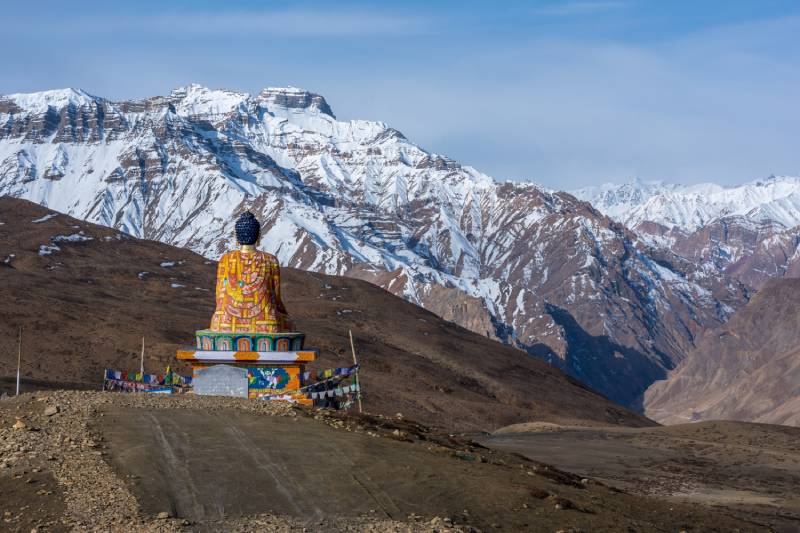
Spiti Valley is not the kind of destination where one season simply replaces another. The valley changes dramatically throughout the year, and the experience you get depends heavily on when you travel.

One month may bring clear mountain roads and long sightseeing days, while another can transform the landscape with snow and winter silence. For travellers planning a Spiti Valley holiday, understanding these seasonal differences is more useful than simply asking which month is “best”.

Here is a practical season-by-season guide to help you decide when Spiti may suit your travel plans.

Spring: A Quiet Start to the Season

Spring arrives gradually in the higher Himalayan regions. Conditions can still be cold, and access to some areas may depend on road and weather conditions.

This may not be the easiest season for travellers looking for a straightforward journey. However, those who prefer quieter surroundings may appreciate the slower pace.

Before planning a spring trip, always check current road conditions and the status of the intended route.

Summer: A Popular Window for Travel

Summer is generally one of the more practical periods for exploring Spiti Valley. Roads are more accessible, temperatures can be more manageable during the daytime, and sightseeing routes are easier to plan.

For many travellers, this is the season to explore places such as Kaza, Tabo, Key Monastery, Kibber, Langza, Hikkim and Komic.

NFTT World’s current Spiti itinerary follows a multi-stop route through Shimla, Sangla, Nako, Kaza and Manali, with sightseeing built around destinations including Tabo, Key Monastery, Chicham Bridge, Kibber, Langza, Hikkim and Komic.

Monsoon: Check Conditions Before You Travel

Spiti sits in a rain-shadow region, but that does not mean the wider journey is completely unaffected by monsoon conditions.

Roads leading towards the valley can experience weather-related disruptions, landslides or changes in travel conditions. If you are considering travelling during this period, flexibility is important.

Rather than focusing only on the weather in Kaza, look at conditions across the complete route you will be travelling.

Autumn: Clear Views and a Different Landscape

Autumn can be an appealing time for travellers who enjoy crisp mountain weather and changing landscapes.

The crowds may feel different from the peak summer period, and the scenery takes on a distinct character as the season progresses.

However, temperatures can drop significantly, particularly at higher elevations and after sunset. Packing appropriately becomes increasingly important.

Winter: Spiti at Its Most Extreme

Winter is a completely different proposition.

Snow, freezing temperatures and difficult road conditions can make travel challenging. The landscape can be beautiful, but this is not the season to approach casually or without careful preparation.

Travellers considering winter Spiti should understand that weather and road accessibility can change plans quickly. Local advice and current travel conditions should always take priority over a fixed itinerary.

How Long Should You Spend in Spiti?

Spiti is not a destination that works particularly well as a rushed weekend escape. The distances are significant, roads can be slow and altitude adds another consideration.

A longer itinerary gives you more time to travel between destinations while allowing some room for rest.

NFTT World’s current Spiti Valley tour is structured as a 10-day journey, with accommodation across locations including Shimla, Sangla, Nako, Kaza and Manali and transfers and sightseeing arranged as part of the group tour.

What About Food on a Spiti Tour?

Food is another consideration for Indian travellers, particularly those following vegetarian or Jain diets. For families and groups with specific dietary preferences, a Spiti Valley veg tour can make meal planning more straightforward during a multi-day mountain journey.

NFTT World lists pure vegetarian and Jain meals as part of its Spiti tour arrangements, alongside accommodation, transfers, sightseeing and the services of a tour manager.

For travellers searching for a Spiti Valley veg tour, this can be one practical factor to consider when comparing organised itineraries.

Planning From Mumbai

Travellers comparing Spiti Valley tour packages from Mumbai should also look beyond the headline itinerary and consider how the journey begins and ends.

NFTT World’s current package includes pickup and drop arrangements from Chandigarh, meaning travellers from Mumbai and other cities need to consider their onward travel to the tour’s designated starting point.

Checking these details before booking helps avoid surprises later.

So, When Should You Visit?

For many first-time travellers, the more accessible summer and early autumn months may offer a practical balance between road access and sightseeing opportunities. But the right season ultimately depends on your comfort with mountain travel, preferred scenery and flexibility.

Spiti is a destination where the journey matters almost as much as the destination itself. Choose your season carefully, leave room for changing conditions, and give yourself enough time to appreciate the valley rather than simply pass through it.

Rajasthan Jain Yatra Package 2026 – Explore Nakoda Ji, Jahazpur & Jaisalmer with NFTT World

Rajasthan Jain Yatra Package 2026 – Explore Nakoda Ji, Jahazpur & Jaisalmer with NFTT World

Discover Rajasthan’s Most Sacred Jain Pilgrimage Destinations

Rajasthan is not only known for its magnificent forts, royal palaces, and desert landscapes but also for its rich Jain heritage and revered pilgrimage sites. NFTT World’s Rajasthan Jain Yatra Package 2026 offers devotees a unique opportunity to visit some of the most sacred Jain temples while enjoying the cultural beauty of Rajasthan.

This specially curated Jain pilgrimage tour covers Jahazpur, Jodhpur, Nakoda Ji, Ramdevra, Sam Sand Dunes, and Jaisalmer, providing a perfect combination of spirituality, history, and sightseeing. Designed for Jain families and senior citizens, the tour includes comfortable accommodation, pure Jain meals, guided assistance, and hassle-free transportation.

Why Choose Rajasthan for a Jain Pilgrimage?

Rajasthan has been an important centre for Jainism for centuries. The state is home to numerous ancient temples, Atishaya Kshetras, and historical Jain monuments that attract pilgrims from across India.

From the miraculous Nakoda Ji Jain Temple to the spiritual atmosphere of Jahazpur and the architectural wonders of Jaisalmer, every destination on this tour offers a memorable experience for devotees seeking peace and divine blessings.

Tour Highlights

Jahazpur Jain Tirth

The journey begins with a visit to Jahazpur, one of Rajasthan’s important Jain pilgrimage destinations.

Known for its beautiful temples and peaceful surroundings, Jahazpur attracts devotees seeking spiritual growth and religious fulfilment. Pilgrims can participate in temple darshan, prayer rituals, and devotional activities while enjoying the serene atmosphere of this sacred destination.

The overnight stay in Jahazpur allows travellers to fully immerse themselves in the spiritual environment.

Jodhpur – The Blue City of Rajasthan

The tour then proceeds to Jodhpur, popularly known as the Blue City.

Apart from its rich cultural heritage, Jodhpur offers devotees an opportunity to explore significant religious and historical attractions. During the excursion, travellers can visit the famous Hingola Krishna Temple and enjoy local sightseeing around the city.

The magnificent architecture, vibrant culture, and royal history of Jodhpur make it one of the most fascinating destinations in Rajasthan.

Nakoda Ji – One of India’s Most Revered Jain Tirths

A major highlight of this Rajasthan Jain Yatra is the visit to Nakoda Ji Jain Temple.

Dedicated to Shri Nakoda Parshwanath Bhagwan, Nakoda Ji is among the most visited Jain pilgrimage destinations in India. Thousands of devotees travel here every year to seek blessings and fulfil their spiritual aspirations.

The temple is known for:

  • Divine spiritual atmosphere
  • Magnificent architecture
  • Historical significance
  • Strong faith among Jain devotees

Many pilgrims believe that sincere prayers offered at Nakoda Ji bring peace, prosperity, and spiritual growth.

A visit to Nakoda Ji is often considered the most memorable part of any Rajasthan Jain pilgrimage.

Ramdevra – A Place of Faith and Devotion

After Nakoda Ji Darshan, the tour continues towards Ramdevra.

The destination is famous for its spiritual significance and attracts devotees from different communities. The peaceful surroundings and devotional atmosphere provide an ideal setting for reflection and prayer.

Travellers can enjoy a comfortable stay while preparing for the next exciting phase of the journey.

Experience the Beauty of Sam Sand Dunes

One of the unique aspects of this Rajasthan Jain Yatra Package is the inclusion of Sam Sand Dunes.

Located near Jaisalmer, Sam offers breathtaking views of the Thar Desert and an unforgettable desert experience. Travellers can enjoy:

  • Golden sand dunes
  • Sunset views
  • Traditional Rajasthani culture
  • Desert camp experience
  • Evening entertainment activities

The overnight stay at a deluxe desert camp creates memories that last a lifetime.

The combination of spiritual pilgrimage and desert tourism makes this tour truly special.

Jaisalmer – The Golden City

No Rajasthan tour is complete without visiting Jaisalmer.

Known as the Golden City of India, Jaisalmer is famous for its stunning sandstone architecture, historical monuments, and Jain temples.

During the tour, visitors can explore:

  • Jaisalmer Fort
  • Ancient Jain Temples
  • Historic Havelis
  • Local markets
  • Cultural attractions

The intricate carvings and artistic beauty of Jaisalmer’s Jain temples showcase the remarkable contribution of Jain communities to Rajasthan’s heritage.

The city provides a perfect conclusion to this spiritually enriching journey.

Pure Jain & Vegetarian Food Throughout the Tour

One of the biggest concerns for Jain travellers is finding suitable food during long journeys.

NFTT World eliminates this concern by providing Pure Jain and Vegetarian meals throughout the tour.

The package includes:

  • Navkarsi arrangements
  • Jain Lunch
  • Choviar facilities
  • Hygienically prepared meals
  • Dedicated Jain food arrangements

Special attention is given to maintaining the highest standards of Jain dietary practices.

Comfortable Accommodation and Hassle-Free Travel

The Rajasthan Jain Yatra Package includes comfortable accommodation in Jain Dharamshalas and quality camp stays.

Travellers benefit from:

  • Well-planned transportation
  • Group travel assistance
  • Caring tour managers
  • Comfortable accommodation
  • Safe and organised travel experience

The itinerary is designed to ensure that devotees can focus entirely on their spiritual journey without worrying about logistics.

Why Travel with NFTT World?

NFTT World has become a trusted name among Jain travellers due to its commitment to quality service and religious values.

Key advantages include:

  • Professionally managed Jain tours
  • Experienced tour coordinators
  • Pure Jain food arrangements
  • Comfortable transportation
  • Carefully selected accommodations
  • Family-friendly tour environment
  • Jain-focused pilgrimage planning

Every aspect of the journey is designed to provide comfort, convenience, and spiritual satisfaction.

Book Your Rajasthan Jain Yatra Package 2026 Today

If you are looking for a pilgrimage tour that combines devotion, heritage, and unforgettable travel experiences, the Rajasthan Jain Yatra Package 2026 is an ideal choice.

Experience the divine blessings of Nakoda Ji, explore the sacred temples of Jahazpur, enjoy the beauty of Jaisalmer, and witness the grandeur of the Thar Desert—all while travelling with like-minded devotees and enjoying pure Jain hospitality.

Join NFTT World and embark on a memorable spiritual journey through the heart of Rajasthan.

International B2B Tour Packages: Unlocking Growth Opportunities for Travel Agencies in 2026

The travel industry has evolved into a highly connected global marketplace, where collaboration often plays a greater role than competition. As travellers continue to seek diverse destinations, customised experiences, and seamless travel arrangements, travel agencies are increasingly turning to strategic partnerships to expand their offerings and strengthen their market presence.

This is where B2B tour packages have become an invaluable solution. By working with trusted partners across destinations and markets, every B2B travel agency can access new opportunities, serve a wider customer base, and deliver exceptional travel experiences without the need for extensive local infrastructure.

At NFTT World, we understand the importance of strong business partnerships and their contribution to sustainable growth in the travel industry.

Understanding the Role of a B2B Travel Agency

A B2B travel agency operates by providing travel products and services to other travel businesses rather than directly to end customers.

These services may include:

  • International tour packages
  • Hotel contracting and reservations
  • Destination management services
  • Transportation arrangements
  • Group travel solutions
  • Corporate travel support
  • Educational and special-interest tours

Through these partnerships, agencies can access a wider portfolio of travel solutions while maintaining high standards of service for their clients.

Why B2B Tour Packages Are Becoming Increasingly Important

Today’s travellers expect more choices, greater flexibility, and seamless experiences. Meeting these expectations often requires local expertise and extensive supplier networks across multiple destinations.

Rather than building these networks independently, many agencies choose to collaborate with experienced travel partners through professionally designed B2B tour packages.

This approach allows agencies to:

  • Expand destination offerings
  • Improve operational efficiency
  • Access competitive pricing
  • Deliver better customer experiences
  • Enter new markets more confidently

As global travel continues to grow, these partnerships are becoming essential for long-term success.

Expanding Your Destination Portfolio

One of the greatest advantages of working with international travel partners is the ability to offer a broader range of destinations.

A travel agency based in India may wish to provide clients with experiences across:

Without trusted local partners, managing these destinations effectively can be challenging.

Through strategic B2B collaborations, agencies can confidently offer international holidays while relying on destination experts for local support and operations.

Access to Competitive Pricing and Better Value

Pricing remains a key factor in travel purchasing decisions. Established B2B networks often provide access to:

  • Contracted hotel rates
  • Group pricing advantages
  • Preferred transportation arrangements
  • Destination-specific discounts
  • Seasonal promotional offers

These benefits allow agencies to remain competitive while maintaining healthy profit margins.

For many businesses, this creates opportunities to attract more clients and increase overall revenue.

Delivering Better Customer Experiences

In today’s travel market, customer satisfaction is one of the strongest drivers of business growth.

Travellers expect:

  • Smooth bookings
  • Reliable accommodations
  • Professional support
  • Well-organised itineraries
  • Prompt issue resolution

A strong B2B travel agency partnership ensures that these expectations are consistently met.

By working with experienced destination partners, agencies can provide travellers with greater confidence and peace of mind throughout their journey.

Supporting Growth without Increasing Operational Complexity

Expanding into international markets often requires significant investment in local knowledge, supplier relationships, and operational resources. B2B partnerships help agencies scale their services without the need to establish offices or teams in every destination they serve.

Benefits include:

  • Reduced operational costs
  • Faster market expansion
  • Local destination expertise
  • Improved risk management
  • Greater business flexibility

This allows agencies to focus on sales, customer relationships, and business development while trusted partners handle destination-specific logistics.

Popular Segments Driving Demand for B2B Tour Packages

The demand for international travel continues to grow across multiple segments.

Leisure Group Tours

Families, friends, and organised groups increasingly seek professionally managed international holidays.

Corporate and MICE Travel

Businesses regularly require support for meetings, conferences, incentive programmes, and exhibitions.

Educational Tours

Schools, colleges, and universities often rely on specialist travel providers for academic and experiential learning programmes.

Religious and Cultural Tours

Pilgrimage travel and cultural exploration remain important segments across various markets.

Special Interest Travel

Travellers are showing greater interest in niche experiences such as wellness retreats, adventure holidays, culinary journeys, and themed group tours.

A strong B2B network enables agencies to effectively cater to these diverse travel requirements.

The Importance of Choosing the Right B2B Partner

Not all partnerships deliver the same value. Selecting the right travel partner is crucial for long-term success.

When evaluating a B2B travel provider, agencies should consider:

  • Industry experience
  • Destination expertise
  • Service reliability
  • Supplier network strength
  • Communication and support
  • Operational capabilities
  • Flexibility and customisation options

A dependable partner becomes an extension of your business, helping maintain service quality and customer satisfaction.

Why Partner with NFTT World?

At NFTT World, we believe successful travel businesses are built on strong partnerships, reliability, and shared growth.

Our B2B travel solutions are designed to help travel agencies expand their offerings through professionally managed international and domestic travel services.

We support our partners with:

  • Comprehensive tour solutions
  • Group travel expertise
  • Corporate and educational tour support
  • Destination management assistance
  • Reliable operational coordination
  • Dedicated business support

Whether you are looking to expand your destination portfolio or strengthen your existing travel offerings, our team is committed to helping you deliver exceptional experiences to your clients.

Ready to Grow Your Travel Business?

Unlock new opportunities, expand your market reach, and deliver exceptional travel experiences through strategic B2B partnerships. With professionally managed tour solutions and reliable industry support, your agency can focus on scaling its business while providing seamless services to clients.

Partner with NFTT World to access customised B2B tour packages, trusted travel expertise, and end-to-end operational support.

Get in touch with our team today to explore partnership opportunities and discover how we can help your business achieve sustainable growth and long-term success.