f

Top 15 Places to Visit in Himachal Pradesh in Every Season

Himachal Pradesh has a way of fitting different kinds of holidays into one state. There are colonial hill stations, quiet valleys, temples, forests, adventure destinations, and mountain towns where the scenery changes completely with the seasons.

That variety is also why planning a Himachal holiday can be slightly overwhelming. Should you choose Shimla or Manali? Is Dalhousie better in winter? When is the right time for Dharamshala? And which places are comfortable for families and senior travellers?

The answer depends on the season and the kind of experience you want. Here are 15 destinations worth considering.

1. Shimla

Shimla is one of Himachal’s most familiar destinations and a practical starting point for a first Himalayan holiday. The Mall Road, historic buildings, viewpoints and nearby Kufri make it suitable for a range of travellers.

2. Manali

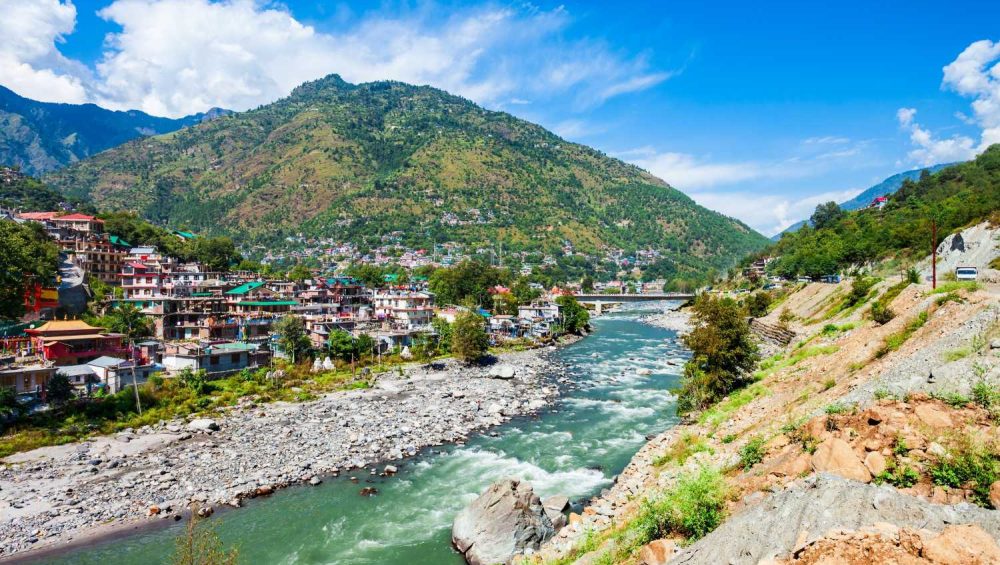
Manali brings together mountain scenery, temples, markets, and opportunities for outdoor activities. It works well for families, couples, and groups looking for a combination of sightseeing and leisure.

3. Dharamshala

Dharamshala offers a different atmosphere, with mountain views, Tibetan cultural influences and access to the quieter surroundings of McLeod Ganj.

4. Dalhousie

Dalhousie is known for its colonial character, pine-covered landscapes and relaxed hill-station atmosphere. It can be particularly pleasant for travellers who prefer slower sightseeing.

5. Khajjiar

Often associated with its vast green meadow surrounded by forests, Khajjiar is an easy addition to a Dalhousie itinerary.

6. Kufri

Close to Shimla, Kufri is popular for mountain views and seasonal activities. It is particularly lively during the colder months.

7. Kasauli

Kasauli is a quieter hill destination that can suit travellers looking for a short break rather than a packed multi-city holiday.

8. Chamba

Chamba offers a more culturally focused experience, with historic temples and traditional Himalayan surroundings.

9. Sangla

Sangla is a good choice for travellers who want to move beyond the better-known hill stations and experience the landscapes of Kinnaur.

10. Nako

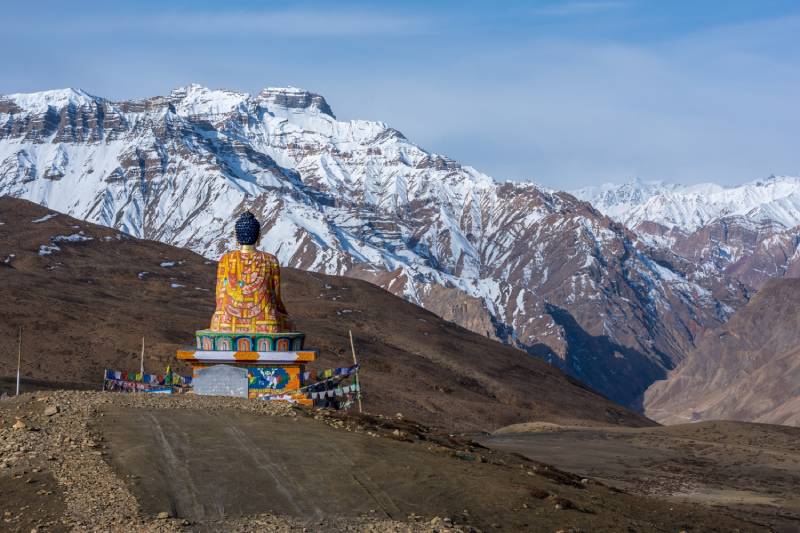
Located along the route towards Spiti, Nako introduces travellers to a higher-altitude Himalayan environment and a very different landscape from Shimla or Manali.

11. Kaza

Kaza is the central town of Spiti Valley and an important base for exploring surrounding villages and monasteries.

12. Tabo

Tabo is known for its monastery and its distinctive high-altitude surroundings. It is an interesting stop for travellers combining Himachal sightseeing with a Spiti itinerary.

13. Kasol

Kasol, situated in the Parvati Valley, attracts travellers interested in mountain scenery, relaxed cafés, and nearby walks.

14. Solang Valley

Near Manali, Solang Valley is associated with mountain views and seasonal adventure activities. The exact activities available can depend on weather and local operating conditions.

15. Kalpa

Kalpa offers spectacular mountain scenery and a quieter pace, making it an appealing option for travellers who want to explore Kinnaur beyond the more commonly visited towns.

Choosing Himachal by Season

The best time to visit can vary depending on which part of Himachal you want to explore. Some destinations are particularly popular in winter, while others are more accessible during the warmer months.

Winter

Shimla, Kufri, Manali, and Dalhousie can offer a classic winter mountain experience, although snowfall and road conditions can affect travel.

Spring

Spring can be a pleasant time for exploring hill stations and valleys as temperatures gradually become more comfortable.

Summer

Summer is a popular period for Himalayan travel, particularly for families looking to escape warmer conditions in the cities. Longer sightseeing routes can be planned, although mountain weather can still change quickly.

Monsoon

Monsoon travel requires greater flexibility. Rain can affect roads and sightseeing plans, so checking current conditions before travelling is important.

Autumn

Clearer mountain views and cooler temperatures can make autumn an appealing period for exploring Himachal.

Travelling as a Vegetarian Family

Food can be an important part of holiday planning for Indian families, particularly when travelling with children, senior citizens or members of a Jain or vegetarian household.

NFTT World focuses on pure vegetarian and Jain group travel and currently offers Himachal itineraries that include accommodation, transfers, sightseeing and vegetarian/Jain meal arrangements. Its Himachal-Chandigarh itinerary, for example, covers destinations including Shimla, Manali, Dharamshala, Dalhousie, and Amritsar.

For travellers considering Himachal Pradesh veg tour packages, checking exactly what meals, transfers and sightseeing are included is useful before choosing an itinerary.

Planning a Himachal Trip from Mumbai

Travellers looking at a Himachal Pradesh tour from Mumbai should also consider the starting point of the selected package. Depending on the package, Himalayan group tours may begin from northern Indian cities such as Chandigarh or Amritsar rather than Mumbai.

NFTT World’s current Himachal itineraries include pickup and drop arrangements linked to the specific tour route, so travellers should check the itinerary and travel connections before booking.

Ultimately, there is no single “best” Himachal destination. The right choice depends on the season, your preferred pace, the people travelling with you and how much time you have.

Whether you want a relaxed family holiday, a scenic mountain journey or a longer itinerary covering several valleys, Himachal offers plenty of ways to make the trip your own.
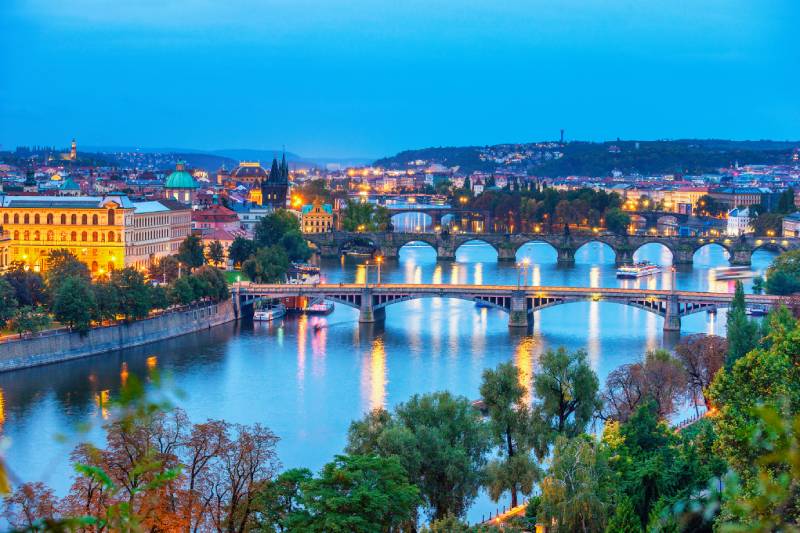

Family-Friendly Europe Tour Destinations for Indian Families

Planning a European holiday with the whole family sounds exciting until you start thinking about the practical details. Which cities should you visit? How much travelling is too much for children or senior family members? Where will everyone eat comfortably? And how do you fit famous landmarks, scenic experiences and some downtime into the same holiday?

For Indian families, these questions can make choosing the right itinerary just as important as choosing the destination itself. A well-planned Europe holiday can bring together history, architecture, nature, food and family time without making every day feel like a race against the clock.

Here are some destinations worth considering when planning a family-friendly European journey.

Paris: A Classic Starting Point

Paris is an easy favourite for first-time European travellers. Children may recognise the Eiffel Tower from books and films, while adults can enjoy the city’s architecture, museums and neighbourhoods.

Families can keep the itinerary balanced with a combination of sightseeing and relaxed walks. Instead of trying to cover every attraction in one day, leave some room for simply enjoying the city’s atmosphere.

Paris also works well as an opening destination because it introduces families to European travel before they move towards the mountains and cities of Central Europe.

Switzerland: Scenic Days Everyone Can Enjoy

Switzerland can be a memorable part of a family European holiday. Alpine scenery, lakes, mountain viewpoints and picturesque towns create plenty of opportunities for sightseeing without requiring a packed schedule of attractions.

For families travelling together, Switzerland can offer a welcome change of pace after a busy city such as Paris. A scenic train journey, a mountain excursion or simply looking out across the Alps can become a highlight of the trip.

For travellers considering Europe veg tour packages, planned meal arrangements can also make longer touring days easier to manage.

Innsbruck: Mountains and European Charm

Nestled in the Austrian Alps, Innsbruck combines mountain scenery with a historic city centre. It can be particularly appealing for families who enjoy a mixture of nature and culture.

The city is compact enough to explore without feeling overwhelming, while the surrounding Alpine landscape adds another dimension to the experience.

It also provides a natural transition between Switzerland and Italy for itineraries covering several European countries.

Venice: A City That Feels Different

Venice is unlike almost anywhere else in Europe. Its canals, bridges and historic buildings make simply moving around the city part of the experience.

Families can enjoy exploring the lanes, taking in the canals and discovering small squares away from the busiest areas. Younger travellers often find the city’s water-based transport particularly memorable.

The key with Venice is to avoid overplanning. Give yourself time to wander, because some of the best moments happen between the major sightseeing stops.

Florence: For Families Curious About Art and History

Florence is a wonderful addition for families interested in European history and art. The city played a major role in the Renaissance and offers opportunities to introduce children to famous artistic and architectural traditions in a way that feels connected to the places where they originated.

A family itinerary does not need to become a museum marathon. Choose a few meaningful experiences and balance them with walks, local neighbourhoods and relaxed meals.

Rome: History Around Every Corner

Rome can make European history feel surprisingly real. Ancient ruins, historic squares, fountains and grand buildings appear throughout the city.

For families, it is worth allowing enough time to explore without rushing from one landmark to another. Children may particularly enjoy seeing places they have previously encountered in school books come to life.

Rome also adds a different cultural character to an itinerary focused on Western and Central Europe.

Naples: A Different Side of Italy

Naples brings a livelier, more local atmosphere to a European itinerary. Its location in southern Italy also makes it an interesting final stop for travellers who want to experience another side of the country.

Rather than approaching Naples only as another sightseeing destination, families can use it as an opportunity to experience Italian culture, food traditions and everyday city life.

Why Itinerary Planning Matters for Families

A family holiday is not simply about how many destinations can be added to a route. Travel time, hotel locations, meal arrangements, sightseeing schedules and rest periods all influence how comfortable the journey feels.

This is particularly relevant when travelling with grandparents or young children. A structured group tour can take some of the logistical pressure away by coordinating accommodation, transfers, sightseeing and meals.

NFTT World, for example, currently offers a 14-day Europe itinerary covering Paris, Switzerland, Innsbruck, Venice, Florence, Rome and Naples, with accommodation, transfers, sightseeing and vegetarian/Jain meal arrangements included as part of the tour.

Making Vegetarian Travel Easier

Food is an important consideration for many Indian families travelling overseas. Families following vegetarian or Jain dietary preferences may want clarity about meals before they leave India.

NFTT World’s Europe tours are built around vegetarian and Jain-friendly meal arrangements, with the published Europe itinerary including vegetarian/Jain breakfast, lunch and dinner and a dedicated kitchen arrangement for larger groups.

For families with specific dietary preferences, Europe veg tour packages can make planning easier by incorporating suitable meal arrangements into the itinerary. This is where Europe tour packages from India can be particularly useful for families who would rather spend their holiday exploring than constantly researching where their next suitable meal will come from.

Choosing the Right Europe Experience

There is no single European itinerary that works for every family. Some may prefer famous landmarks, while others may want more scenic destinations and slower days. When comparing Europe tour packages from India, families may also want to consider the itinerary pace, accommodation, inclusions, meal arrangements and the amount of free time available.

A thoughtful itinerary can turn a family holiday into more than a checklist of attractions. It gives everyone the chance to discover somewhere new, share meals, take photographs, laugh over unexpected moments, and return home with stories that belong to the whole family.

South Africa Safari Guide: Everything First-Time Travellers Should Know

A safari is one of those travel experiences that can be difficult to imagine until you are actually there. There is something very different about seeing wildlife in its natural environment rather than behind the glass of a zoo or on a television screen.

For first-time visitors, however, a South African safari also comes with questions. What should you pack? How does a game drive work? How much time should you spend on safari? And, for Indian vegetarian and Jain travellers, how easy is it to manage meals while travelling?

A little planning can make the experience much more comfortable.

Start With the Right Expectations

A safari is not a wildlife show where animals appear on demand. Game viewing depends on location, weather, season, time of day and the natural behaviour of the animals.

You may spend time driving through open landscapes before spotting anything, and then suddenly have an unforgettable encounter. That unpredictability is part of what makes safari travel special.

Patience is useful, as is keeping an open mind about the experience.

What Might You See?

South Africa is home to an impressive variety of wildlife. Depending on the region and safari area included in your itinerary, travellers may have opportunities to see elephants, lions, rhinos, leopards, buffalo, giraffes, zebras and numerous bird species.

However, sightings cannot be guaranteed. A responsible itinerary should focus on the overall wildlife experience rather than promising encounters with specific animals.

Cape Town Can Add a Completely Different Experience

A South African holiday does not have to revolve entirely around safari.

Cape Town offers a striking contrast, with coastal landscapes, mountains, city experiences and cultural attractions. A broader itinerary can therefore combine wildlife with sightseeing and time in the city.

NFTT World’s South Africa itinerary, for example, begins in Cape Town and includes experiences around the Cape Peninsula, with stops such as Hout Bay and opportunities to see Cape fur seals, subject to weather conditions.

This combination can work particularly well for first-time visitors who want to experience more than one side of the country.

What Should You Pack?

Safari packing does not need to mean bringing an entire wardrobe.

Comfortable clothing that allows easy movement is useful, along with comfortable walking shoes, sunglasses, sunscreen and a hat. A light jacket can be helpful for cooler mornings and evenings.

Binoculars can also be worthwhile if you enjoy birdwatching or want to observe wildlife from a distance.

Most importantly, pack according to your actual itinerary and season rather than assuming every day will be hot.

Think About the Pace

Safari holidays can involve early starts, road travel and time outdoors. When travelling as a family or with senior relatives, a comfortable itinerary matters.

Building in enough rest between activities can make the overall experience more enjoyable. The goal is not to see everything in one day. It is to give yourself enough time to appreciate where you are.

This is one reason organised tours can appeal to travellers who prefer having transfers, accommodation and sightseeing coordinated in advance.

Food Matters Too

For Indian vegetarian travellers, food can be an important part of holiday planning.

A South Africa veg tour can be easier to manage when meal requirements are discussed before departure rather than figured out day by day. NFTT World specifically structures its group tours around pure vegetarian and Jain meals, with breakfast, lunch, evening tea/coffee and dinner included in the published itinerary.

For travellers with specific dietary requirements, it is still sensible to communicate those requirements clearly before booking.

What Does an Organised South Africa Tour Include?

The exact inclusions depend on the itinerary, but NFTT World’s published South Africa tour includes hotel accommodation, airport transfers, sightseeing transfers, vegetarian/Jain meals, mineral water during travel and the services of a tour manager.

For travellers considering South Africa veg tour packages, having these elements coordinated can be particularly useful for first-time international travellers who do not want to arrange every transfer and meal independently.

When Is the Right Time to Go?

South Africa covers a large geographical area, so there is no single perfect travel month for the entire country.

Your preferred activities should influence your travel dates. Wildlife viewing, Cape Town sightseeing, coastal experiences and outdoor activities can have different seasonal considerations.

Before booking, look at the specific route rather than relying on a generic “best time to visit South Africa” recommendation.

A Few Things First-Time Travellers Should Remember

Keep your schedule realistic. Follow local wildlife guidelines. Listen to your guide during game drives. Avoid feeding or approaching animals. Keep important documents secure and check visa and travel requirements before departure.

Most importantly, allow yourself to experience the country at its own pace.

South Africa veg tour packages can take care of much of the practical side of the journey while leaving you free to concentrate on the landscapes, wildlife and experiences that brought you there in the first place.

Best Time to Visit Spiti Valley: Season-by-Season Guide

Spiti Valley is not the kind of destination where one season simply replaces another. The valley changes dramatically throughout the year, and the experience you get depends heavily on when you travel.

One month may bring clear mountain roads and long sightseeing days, while another can transform the landscape with snow and winter silence. For travellers planning a Spiti Valley holiday, understanding these seasonal differences is more useful than simply asking which month is “best”.

Here is a practical season-by-season guide to help you decide when Spiti may suit your travel plans.

Spring: A Quiet Start to the Season

Spring arrives gradually in the higher Himalayan regions. Conditions can still be cold, and access to some areas may depend on road and weather conditions.

This may not be the easiest season for travellers looking for a straightforward journey. However, those who prefer quieter surroundings may appreciate the slower pace.

Before planning a spring trip, always check current road conditions and the status of the intended route.

Summer: A Popular Window for Travel

Summer is generally one of the more practical periods for exploring Spiti Valley. Roads are more accessible, temperatures can be more manageable during the daytime, and sightseeing routes are easier to plan.

For many travellers, this is the season to explore places such as Kaza, Tabo, Key Monastery, Kibber, Langza, Hikkim and Komic.

NFTT World’s current Spiti itinerary follows a multi-stop route through Shimla, Sangla, Nako, Kaza and Manali, with sightseeing built around destinations including Tabo, Key Monastery, Chicham Bridge, Kibber, Langza, Hikkim and Komic.

Monsoon: Check Conditions Before You Travel

Spiti sits in a rain-shadow region, but that does not mean the wider journey is completely unaffected by monsoon conditions.

Roads leading towards the valley can experience weather-related disruptions, landslides or changes in travel conditions. If you are considering travelling during this period, flexibility is important.

Rather than focusing only on the weather in Kaza, look at conditions across the complete route you will be travelling.

Autumn: Clear Views and a Different Landscape

Autumn can be an appealing time for travellers who enjoy crisp mountain weather and changing landscapes.

The crowds may feel different from the peak summer period, and the scenery takes on a distinct character as the season progresses.

However, temperatures can drop significantly, particularly at higher elevations and after sunset. Packing appropriately becomes increasingly important.

Winter: Spiti at Its Most Extreme

Winter is a completely different proposition.

Snow, freezing temperatures and difficult road conditions can make travel challenging. The landscape can be beautiful, but this is not the season to approach casually or without careful preparation.

Travellers considering winter Spiti should understand that weather and road accessibility can change plans quickly. Local advice and current travel conditions should always take priority over a fixed itinerary.

How Long Should You Spend in Spiti?

Spiti is not a destination that works particularly well as a rushed weekend escape. The distances are significant, roads can be slow and altitude adds another consideration.

A longer itinerary gives you more time to travel between destinations while allowing some room for rest.

NFTT World’s current Spiti Valley tour is structured as a 10-day journey, with accommodation across locations including Shimla, Sangla, Nako, Kaza and Manali and transfers and sightseeing arranged as part of the group tour.

What About Food on a Spiti Tour?

Food is another consideration for Indian travellers, particularly those following vegetarian or Jain diets. For families and groups with specific dietary preferences, a Spiti Valley veg tour can make meal planning more straightforward during a multi-day mountain journey.

NFTT World lists pure vegetarian and Jain meals as part of its Spiti tour arrangements, alongside accommodation, transfers, sightseeing and the services of a tour manager.

For travellers searching for a Spiti Valley veg tour, this can be one practical factor to consider when comparing organised itineraries.

Planning From Mumbai

Travellers comparing Spiti Valley tour packages from Mumbai should also look beyond the headline itinerary and consider how the journey begins and ends.

NFTT World’s current package includes pickup and drop arrangements from Chandigarh, meaning travellers from Mumbai and other cities need to consider their onward travel to the tour’s designated starting point.

Checking these details before booking helps avoid surprises later.

So, When Should You Visit?

For many first-time travellers, the more accessible summer and early autumn months may offer a practical balance between road access and sightseeing opportunities. But the right season ultimately depends on your comfort with mountain travel, preferred scenery and flexibility.

Spiti is a destination where the journey matters almost as much as the destination itself. Choose your season carefully, leave room for changing conditions, and give yourself enough time to appreciate the valley rather than simply pass through it.

Rajasthan Jain Yatra Package 2026 – Explore Nakoda Ji, Jahazpur & Jaisalmer with NFTT World

Rajasthan Jain Yatra Package 2026 – Explore Nakoda Ji, Jahazpur & Jaisalmer with NFTT World

Discover Rajasthan’s Most Sacred Jain Pilgrimage Destinations

Rajasthan is not only known for its magnificent forts, royal palaces, and desert landscapes but also for its rich Jain heritage and revered pilgrimage sites. NFTT World’s Rajasthan Jain Yatra Package 2026 offers devotees a unique opportunity to visit some of the most sacred Jain temples while enjoying the cultural beauty of Rajasthan.

This specially curated Jain pilgrimage tour covers Jahazpur, Jodhpur, Nakoda Ji, Ramdevra, Sam Sand Dunes, and Jaisalmer, providing a perfect combination of spirituality, history, and sightseeing. Designed for Jain families and senior citizens, the tour includes comfortable accommodation, pure Jain meals, guided assistance, and hassle-free transportation.

Why Choose Rajasthan for a Jain Pilgrimage?

Rajasthan has been an important centre for Jainism for centuries. The state is home to numerous ancient temples, Atishaya Kshetras, and historical Jain monuments that attract pilgrims from across India.

From the miraculous Nakoda Ji Jain Temple to the spiritual atmosphere of Jahazpur and the architectural wonders of Jaisalmer, every destination on this tour offers a memorable experience for devotees seeking peace and divine blessings.

Tour Highlights

Jahazpur Jain Tirth

The journey begins with a visit to Jahazpur, one of Rajasthan’s important Jain pilgrimage destinations.

Known for its beautiful temples and peaceful surroundings, Jahazpur attracts devotees seeking spiritual growth and religious fulfilment. Pilgrims can participate in temple darshan, prayer rituals, and devotional activities while enjoying the serene atmosphere of this sacred destination.

The overnight stay in Jahazpur allows travellers to fully immerse themselves in the spiritual environment.

Jodhpur – The Blue City of Rajasthan

The tour then proceeds to Jodhpur, popularly known as the Blue City.

Apart from its rich cultural heritage, Jodhpur offers devotees an opportunity to explore significant religious and historical attractions. During the excursion, travellers can visit the famous Hingola Krishna Temple and enjoy local sightseeing around the city.

The magnificent architecture, vibrant culture, and royal history of Jodhpur make it one of the most fascinating destinations in Rajasthan.

Nakoda Ji – One of India’s Most Revered Jain Tirths

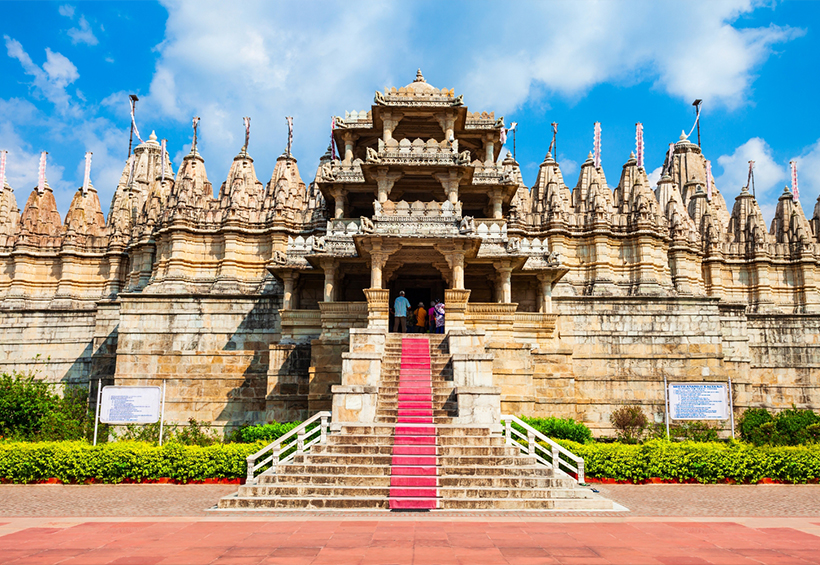
A major highlight of this Rajasthan Jain Yatra is the visit to Nakoda Ji Jain Temple.

Dedicated to Shri Nakoda Parshwanath Bhagwan, Nakoda Ji is among the most visited Jain pilgrimage destinations in India. Thousands of devotees travel here every year to seek blessings and fulfil their spiritual aspirations.

The temple is known for:

  • Divine spiritual atmosphere
  • Magnificent architecture
  • Historical significance
  • Strong faith among Jain devotees

Many pilgrims believe that sincere prayers offered at Nakoda Ji bring peace, prosperity, and spiritual growth.

A visit to Nakoda Ji is often considered the most memorable part of any Rajasthan Jain pilgrimage.

Ramdevra – A Place of Faith and Devotion

After Nakoda Ji Darshan, the tour continues towards Ramdevra.

The destination is famous for its spiritual significance and attracts devotees from different communities. The peaceful surroundings and devotional atmosphere provide an ideal setting for reflection and prayer.

Travellers can enjoy a comfortable stay while preparing for the next exciting phase of the journey.

Experience the Beauty of Sam Sand Dunes

One of the unique aspects of this Rajasthan Jain Yatra Package is the inclusion of Sam Sand Dunes.

Located near Jaisalmer, Sam offers breathtaking views of the Thar Desert and an unforgettable desert experience. Travellers can enjoy:

  • Golden sand dunes
  • Sunset views
  • Traditional Rajasthani culture
  • Desert camp experience
  • Evening entertainment activities

The overnight stay at a deluxe desert camp creates memories that last a lifetime.

The combination of spiritual pilgrimage and desert tourism makes this tour truly special.

Jaisalmer – The Golden City

No Rajasthan tour is complete without visiting Jaisalmer.

Known as the Golden City of India, Jaisalmer is famous for its stunning sandstone architecture, historical monuments, and Jain temples.

During the tour, visitors can explore:

  • Jaisalmer Fort
  • Ancient Jain Temples
  • Historic Havelis
  • Local markets
  • Cultural attractions

The intricate carvings and artistic beauty of Jaisalmer’s Jain temples showcase the remarkable contribution of Jain communities to Rajasthan’s heritage.

The city provides a perfect conclusion to this spiritually enriching journey.

Pure Jain & Vegetarian Food Throughout the Tour

One of the biggest concerns for Jain travellers is finding suitable food during long journeys.

NFTT World eliminates this concern by providing Pure Jain and Vegetarian meals throughout the tour.

The package includes:

  • Navkarsi arrangements
  • Jain Lunch
  • Choviar facilities
  • Hygienically prepared meals
  • Dedicated Jain food arrangements

Special attention is given to maintaining the highest standards of Jain dietary practices.

Comfortable Accommodation and Hassle-Free Travel

The Rajasthan Jain Yatra Package includes comfortable accommodation in Jain Dharamshalas and quality camp stays.

Travellers benefit from:

  • Well-planned transportation
  • Group travel assistance
  • Caring tour managers
  • Comfortable accommodation
  • Safe and organised travel experience

The itinerary is designed to ensure that devotees can focus entirely on their spiritual journey without worrying about logistics.

Why Travel with NFTT World?

NFTT World has become a trusted name among Jain travellers due to its commitment to quality service and religious values.

Key advantages include:

  • Professionally managed Jain tours
  • Experienced tour coordinators
  • Pure Jain food arrangements
  • Comfortable transportation
  • Carefully selected accommodations
  • Family-friendly tour environment
  • Jain-focused pilgrimage planning

Every aspect of the journey is designed to provide comfort, convenience, and spiritual satisfaction.

Book Your Rajasthan Jain Yatra Package 2026 Today

If you are looking for a pilgrimage tour that combines devotion, heritage, and unforgettable travel experiences, the Rajasthan Jain Yatra Package 2026 is an ideal choice.

Experience the divine blessings of Nakoda Ji, explore the sacred temples of Jahazpur, enjoy the beauty of Jaisalmer, and witness the grandeur of the Thar Desert—all while travelling with like-minded devotees and enjoying pure Jain hospitality.

Join NFTT World and embark on a memorable spiritual journey through the heart of Rajasthan.